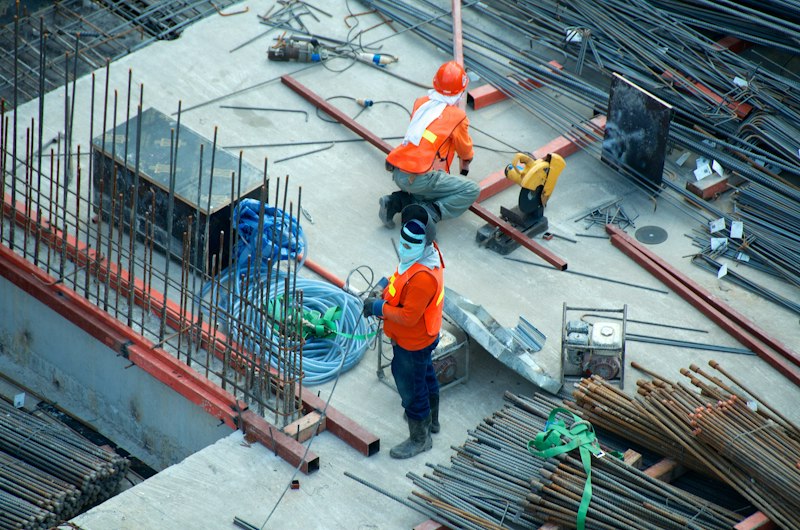
What Is Off-Plan?
Buying off-plan means purchasing a property that hasn't been built yet — or is still under construction. You commit to buying based on architectural plans, renders, and the developer's promises, rather than a finished product you can walk through.
In Malta, off-plan purchases are common, particularly for new developments. Developers use off-plan sales to finance construction, and buyers benefit from lower prices compared to the finished product.
Potential Benefits
Price Advantage
Off-plan properties are typically priced 5-15% below what they'll be worth upon completion. The earlier you buy in the development cycle, the better the deal. First-phase buyers in a large development often get the best prices and the widest choice of units.
Customisation
Buying early often means you can choose finishes — tile colours, kitchen design, bathroom fixtures. Some developers offer upgrade packages or allow buyers to make changes to the standard specifications.
Capital Gain Before Completion
If the market rises during the construction period (typically 1-3 years), your property may be worth more than you paid by the time you receive the keys. This can mean instant equity.
Staged Payments
Rather than paying everything at once, off-plan purchases involve staged payments spread over the construction period. A typical schedule:
- 20-30% at the konvenju
- 20-30% at slab/structural completion
- 20-30% at internal works completion
- 10-20% on handover
This can make a property more accessible if you're building up savings.
The Risks
Delays
This is the single biggest risk of buying off-plan in Malta. Construction delays are endemic. A development promised for delivery in 18 months may take 30 months or more. Reasons include:
- Planning Authority approvals taking longer than expected
- Subcontractor availability
- Material supply delays
- Weather (heavy rain stops outdoor work)
- Developer cash flow issues
- Changes to plans mid-construction
Developer Insolvency
If the developer goes bankrupt before completing your property, you could lose your deposit. This is rare in Malta but has happened.
The Finished Product May Disappoint
Glossy renders and showroom finishes don't always match reality. Common complaints include:
- Rooms feeling smaller than expected from plans
- Views being different from what was implied
- Lower-quality finishes than shown in marketing materials
- Noise between apartments due to poor soundproofing
- Common areas not matching the promised standard
Market Risk
If property values fall during construction, you could end up owning a property worth less than you paid. You've committed to the purchase price in the konvenju.
How to Protect Yourself
Choose the Developer Carefully
- Check their track record — have they completed previous developments on time and to good quality?
- Visit their completed projects — talk to existing residents if possible
- Research their financial health — a well-capitalised developer is less likely to run into cash flow problems
- Check the Planning Authority for approved permits — ensure the development has full planning approval before you commit
The Contract
Your notary should ensure the konvenju includes:
- Detailed specifications — exact finishes, materials, appliance brands included
- Completion deadline — a firm date, with penalties for the developer if they miss it
- Penalty clauses — daily or monthly penalties for late delivery, potentially escalating
- Defects liability period — typically 12-24 months after handover
- Bank guarantee or insurance on your deposit — ask if the developer can provide a bank guarantee securing your deposits in case of insolvency
- Right to inspect — the right to inspect the property at key construction stages
- Detailed plans — floor plans, elevations, and specifications attached to the contract
During Construction
- Visit the site regularly — observe progress and check that construction matches the plans
- Communicate in writing — any changes, concerns, or agreements should be documented via email
- Don't rush the snagging — when the developer says the property is ready, conduct a thorough snagging inspection (ideally with an architect) and list every defect before signing the final deed
Financial Protection
- Never pay directly to the developer — payments should go through your notary
- Stage your payments — don't pay ahead of actual construction progress
- If possible, negotiate a bank guarantee on your deposit — not all developers offer this, but it's the best protection against insolvency
Snagging: The Critical Final Step
Before accepting the property and signing the final deed, conduct a detailed snagging inspection:
- Check every room against the agreed specifications
- Test all taps, showers, and drains
- Test all electrical sockets and light switches
- Check AC units
- Examine tiles for cracks, uneven grouting, or hollow spots
- Check doors and windows open and close properly
- Look for cracks in plastering or paintwork
- Test the intercom/buzzer
- Check common areas match the specifications
Create a written snagging list and insist the developer addresses all items before you sign the final deed. Once you sign, your leverage diminishes significantly.
Looking for property in Malta?
Search every listing from every major agency, all in one place.
Search PropertiesRelated Articles
Maisonette vs Apartment in Malta: Which Should You Buy?
Malta's two dominant property types solve different problems: the maisonette's own-door independence versus the apartment's lift, views, and lock-up convenience. Costs, hidden trade-offs, and resale dynamics compared.
2 Sept 2026
BuyingBuying a Penthouse in Malta: What the Premium Really Buys
Penthouses carry a 20-40% premium over the same building's apartments. Sometimes that buys the best of Malta living; sometimes it buys leaks, heat, and an airspace dispute. The complete checklist.
19 Aug 2026
BuyingHow Long Does Buying a Property in Malta Actually Take?
From first viewing to keys: the realistic timeline is 4-7 months, and most delays are predictable. A stage-by-stage breakdown with the choke points — bank, searches, permits — and how to compress each one.
9 Aug 2026
📉 Get the weekly Malta price-drop digest
Every Friday: the biggest reductions across all 13 agencies + market data nobody else publishes. Free.